


Why Choose China tire?
Price advantage
First of all , price advantage is one of the main reasons for choosing domesitic tires .The production cost of domestic tires is low , which is mainly due to China's huge population and perfect labour resources,as well as the convenience of the raw material supply chain ,thus reducing production costs .
The continuous improvement of performance and quality is also domestic .
one of the reasons ,in recent years ,domestic tire manufactures have continuously incereased their investment in research and development and intreduced advanced technology and equipemnt and improved the quality and performance of tires .For example ,polymer composite material ,green environmental protection materials ,etc.are used to increase the performance indicators of tires such as wear resistance ,high temperature resistance and corrosion resistance in terms of wear resistance ,economy ,comfort and sportiness ,Although there is still a certain gap compared with imported tires ,they can meet most of the daily needs
Brand diversity and wide applicability are also important reasons for choosing domestic tire .
There are many tire brand in China ,from high-end luxury cars to small family cars ,there are corresponding brands to choose from .Car owners can choose suitable tires .
What is Agricultural Tyre
Agricultural tires are a kind of tires used in agricultural machinery vehicles ,including pneumatic tires ,semi-solid tires and sold tires .Among them ,solid tires are widely used ,and all kinds of agricultural machinery may be used .The bottom is conical and installed on open wheels ,which is called bolique bottom solid tires .2.In short ,agricultural tires are tires for a certain purpose ,and ordinary tires are a general term.3. A kind of tire used for agricultural machinery .Agricultural tires are mainly installed in tractors ,combine harvesters and agricultural machinery vehicls.The group number is its production batch .If you need to buy agricultural machinery tires ,you also need to know the specific model .4. Agricultural and forestry machinery tires -Agricultural tires are mainly installed in tractors ,combine harvesters and agricultural machinery vehicles .Forestry machinery tires are installed on forestry tractors and forestry machinery to carry out forestry harvesting ,material collection ,shovelling and excavation operations .
Benefits of Agricultural Tyre
Durable and puncture-resistant
This tire has a strong structure ,can withstand the use of agricultural machinery on various complex terrains ,and is not easy to be pierced by sharp objects
Strong load capacity
able to carry heavy objects and adapt to the weight requirements of agricultural machinery .
Goog shock absorption performancev
When driving on unstable ground ,it can provide good shock absorption effect and reduce the vibration of machinery and operators .
High fuel economy
the design of agricultural radial tires enables them to use fuel more effectively during driving and reduce operating costs .
Long service life
Due to the strong and wear-resistant structure, agricultural meridian & the service life of replacement tire is relatively long ,which reduces the frequency of replacing the wheel insurance .
Light soil compaction
the tred design makes the pressure on the soil evenly distributed ,reduce the compaction of soil ,and is conducive to maintaining the fertility and structure of the soil .
Types of Agricultural Tyre
inflated tires
The most common type of agricultural tire, with good elasticity and cushioning performance ,suitable for many and operating environments .
Semi-solid tires
Have high carring capacity and wear resistance ,but poor elasticity,which is suitable for occasions with high ground pressure requirements
solid tires
Simple structure,strong bearing capacity ,good wear resistance,but poor comfort,suitable for short-distance transportation and specific operations

Tires are mainly composed of the following parts :
outer tire :
This is the main parts of the tire ,which is in direct contact with the ground .the outer tire is composed of the foetal body ,the buffer layer(or the bundle layer) the tread ,the foetal side and the foetal ring .The tread is mainly responsible for contact with the ground and provides friction ;the tire side protects the internal structure of the tire and provents external damage .
Inner tube :
In some types of tires ,the inner tube exsits .It is located inside the outer tube ,filled with compressed air ,and plays a supporting and buffering role .The inner tube protects the outer tire from damage and maintains the shape and size of the tire.
Cushion belt :
Located between the inner tire and the rim ,it prevents the inner tire from being scratched and worn by the rim and the outer tire and plays a protective role .
Belts
Belts determin the shape, or footprint of the tire. Belts work in conjunctio with the cords to add stability and stregnth.
Tread design
Treads serve to interact with the soil or paved surface and provide traction. Tread design varies between tires to maximize traction and resist wear and tear.
Lug buttress
Lug depth is important for traction. together with the lug buttress, this component provides tread stability.
Body plies
Cords run radially from bead to bead and determine the strength of the tire, determine its load capacity and provide lateral stability.
Increased Usage of High-Flotation Tires
The increased usage of high-flotation tires is one of the most notable trends in agriculture tires. High-flotation tires have a larger surface area, which reduces soil compaction and minimizes crop damage while enhancing the tractor's stability. This leads to superior traction, better fuel economy, and improved overall performance.
Dual Tires for Increased Load Carrying Capacity
Another trend in farm tractor tires is the usage of dual tires to handle heavy loads. Dual tires provide increased load carrying capacity while significantly reducing soil compaction. This leads to longer tire life, better fuel economy, and improved traction. Dual tires also distribute the load evenly on the surface, minimizing depressions on the ground, reducing soil erosion, and improving soil quality.
Greater Emphasis on Durability
The durability of Agriculture tires is essential for maintaining operations and reducing downtime in the field, as well as reducing tire operating costs. Durability ensures that the tires can withstand challenging conditions, rough terrain, and heavy loads. The tire is specially designed to have high durability and longevity, ensuring that farmers receive optimal value for their investment.
Integration of Advanced Technologies
Advanced technologies have been integrated into agriculture tire design to improve efficiency, durability, and traction. The radial, for instance, features a variable lug angle, which enhances self-cleaning by shedding mud. Also, an interlocking lug design improves traction in wet and soft soil conditions. Additionally, the tire incorporates advanced radial construction, which provides a larger contact surface and reduces soil compaction and slippage.
How to Choose Agricultural Tyre
Learn (or relearn) technical tyre terms and know about new technologies
The marking on your agricultural tyres gives you precise indications that you need to understand to make sure that your new tyres will fit your machine or trailer.We've written an article specifically to explain the marking in detail, and you'll also find a table of correspondence of old markings with recent ones.
Understand what role tyres play in all aspects of your farm
Employee health and safety, various forms of cost saving, and an education in how to invest effectively.At the bottom of this article you will find a link to our white paper on boosting your farm's profits.
Inventory your current equipment and identify your requirements
Ascertain what you need in terms of traction, slip, mud removal, handling, vibration, fuel consumption, number of hours, etc. And don't forget servicing!
Discuss quality at the right price
As an entrepreneur, you know full well that a shrewd investment in technology can often prove more cost-effective than a low price.Quality comes at a price, even with tyres, and your business will save more money in the long term compared to the instant savings from buying low-cost.
Tyre manufacturers regularly offer promotions
Plan your purchases in advance to take advantage of all the best offers when they come up!
Correctly handle the tires and strictly comply with the required work, air pressure and load.
On the bad road, we should take into account the working conditions of the tire, driving carefully.
To ensure that the wheels of all parts of the supporting use and accordance with the provisions of the tire balance and transposition
We must do a good job of maintenance work, and timely quality repair work.
to properly store and keep the tyres.
Safety Considerations for Agricultural Tires
Technological Advancements
Technological advancements in agricultural tyre design have led to improved traction, reduced rolling resistances, and increased load capacities. These innovations not only enhance performance but also contribute to longer service life and reduced maintenance costs.
01
Maintenance Tips
Proper maintenance of agricultural tyres is essential for optimal performance and longevity. Regularly checking tyre pressure, inspecting for wear and damage, and ensuring correct alignment can prolong the service life of your tyres and improve overall efficiency on the farm.
02
Seasonal Considerations
Seasonal changes can impact tyre performance and efficiency on the farm. It's crucial to consider factors such as soil moisture, temperature, and terrain conditions when selecting tyres for different seasons to ensure maximum productivity and safety.
03
Size and Load Capacity
Choosing the right tyre size and load capacity is crucial for ensuring optimal performance and safety on the farm. Understanding the requirements of your machinery and the terrain it operates on will help in selecting the most suitable agricultural tyres for your needs.
04
Terrain Considerations
Different terrains require different types of agricultural tyres. Whether you're working on soft soil, rocky terrain, or wet conditions, there are specific tyre options available to ensure maximum traction and efficiency while minimising soil compaction.
05
How to Maintain Agricultural Tyre
Proper Inflation
Regularly check and maintain the correct tire pressure. Underinflated tires increase wear and fuel consumption, while overinflated tires can lead to a rough ride and reduced traction.
Alignment
Ensure tires are properly aligned to prevent uneven wear. Misalignment can also cause issues.
Rotate Tires
Periodically rotate tires to ensure even wear across all four wheels. This extends their lifespan and maintains consistent performance.
Weight Distribution
Distribute weight evenly on implements and machinery to prevent excessive load on specific tires. This helps reduce wear and tear.
Inspect for Damage
Routinely inspect tires for cuts, punctures, or any signs of damage. Promptly repair or replace damaged tires to prevent further issues.
Cleanliness
Keep tires clean to prevent debris from causing damage or punctures. Clean them after working in muddy or rocky terrain.
Storage
Store tires in a cool, dry place away from direct sunlight. Protect them from exposure to harsh weather conditions when not in use.
Professional Maintenance
Periodically have your tires inspected and serviced by professionals who can assess wear and alignment, ensuring optimal performance.
Tianzhong company was founded in 2013, located in Jining City, Shandong, the birthplace of Chinese civilization and Confucian culture.Our company covers an area of 15,000 square meters, the existing professional staff of 100 people, The company's annual output value is more than 300 million yuan, and its products are exported to Europe, America, the Middle East and more than 30 countries.Our brand is "TIANZHONG"We supply full range of tyres, industrial tyres to agricultural vacuum radial tyres, agricultural bias tyres, forestry tyres, industrial tires to OTR tyres. We also have matching agricultural wheels, and we have integrated the processing and sales of used tractor(John Deere).


FAQ
Product Information
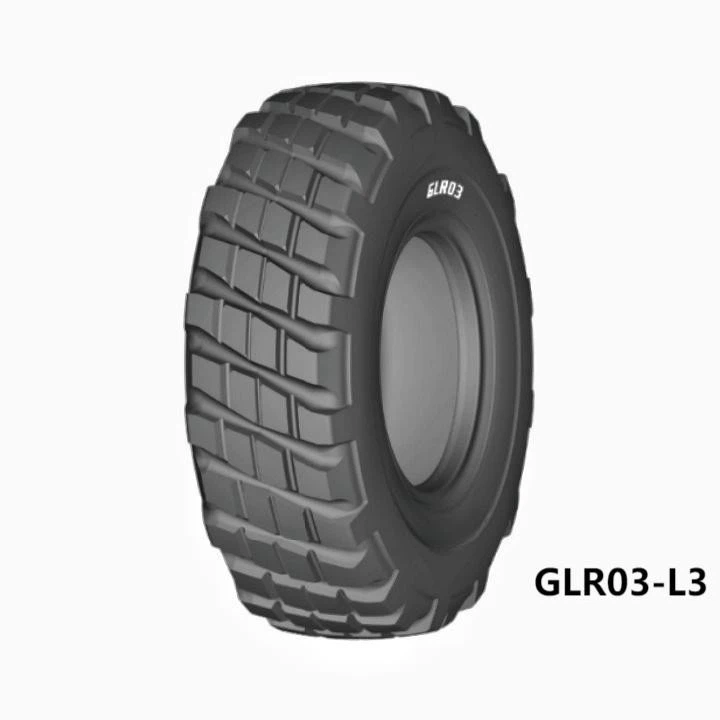
Forestry consignment machine tyres are a type of bias tyre designed specifically for forestry machinery,they are commonly used on tractors and other forestry machinery for transport and operations on forest floors.Forestry consignment machine bias tyres are able to provide good grip and abrasion resistance in harsh terrain conditions and typically have high cut resistance and protection against punctures, as well as stable work ability for use in environments such as rocks, stumps and branches.Forestry consignment machine tyre has good puncture protection, efficient stability performance and the ability to adapt to complex terrain. These tyres are able to withstand harsh terrain conditions and provide a stable working foundation for forestry machinery, ensuring that consignment machine can work safely and efficiently in a variety of environments, no matter what the conditions are in the forest.
Product Advantages
1,Save raw materials .Because the tire line is arranged in the meridian and consistent with the deformation direction of the tire ,the strength of the curtain wire can be used more effectively ,so the number of curtain layers and the corresponding amount of rubber can be reduced .Compared with diagonal tires , the number of curtain layers can be reduced by 40-50%,and the amount of rubber can be reduced by about 20%,reducing the tire weight by 5-8%.
2,Good shock absorption performance .Because the foetus is thin and soft ,it can significantly reduce the impact of the ticket movement ,making the driving smooth and comfortable .And it can reduce the wear of machine parts caused by vibration of the resident measurement and reduce the maintenance cost .
3,Good wear resistance.The belt layer arranged around the circumference reinforces the tire crown ,so that the circumference cannot be stretched ,greatly reduces the sliding friction of the tread along the road surface during tire rolling ,and significantly improves the wear resistance and mechanical damage resistance of the tread .The wear resistance can be improved by about 30-70% according to the diagonal tire .
4,Good trip on the ground .The foetal body is soft ,the sinking is large ,the contact area area between the tread and the road surface is large ,and the contact pressure is evenly distributed .In addition ,the foetal crown has great rigidity and the circumferential sliding of the tread is small ,so the treed surface has good grip performance with the ground ,and the grip force can be improved by 10-50% compared with diagonal tire.
Good traction performance and off-road performance ,safe driving .When driving on muddy and ice and snowy roads ,there is less slipping and good passability .When driving in mountainous areas ,it has good climbing performance .
5,The arrangement of the meridian tire curtain line eliminates the internal friction caused by the shear movement between the layers of the diagonal cross-arrangement of the tires , so the heat is low and the energy consumption is less .In addition ,due to the small number of foetal curtain layers and the thin side of the foetus,it is also convenient for the internal heat dissipation .Therefore ,this kind of tire has less heat accumulation in the tire during operation than the diagonal tire .In general ,it can be 30%-70% lower.
For example, the diagonal tire is driving at a speed of 69km/h,and the internal heat accumulation is only 104 degrees.Due to the low accumulated heat of operation ,the driving speed of the vehicle can be improved ;under normal circumstances ,it can be increased by 20-30%.With the reduction of energy consumption ,the oil content is correspondingly reduced .Compared with the diagonal tire ,the fuel consumption can be reduced by 5-13%.This not only saves fuel costs ,but also helps to reduce air pollution.
6,Long service life.Various superior performances are comprehensively reflected in the service life .Compared with ordinary structural tires ,the mileage of meridian tires can be improved by 50-100%.The general road surface can reach 100.000 kilometers ,and the bad road surface can reach about 70.000 kilometers.Of course, the meridian tire is not perfect ,and it also has some shortcomings that are not easy to overcome .For example,the lateral stability is poor,the tire side is easy to crack, the manufacturing public welfare is complex ,the production efficiency is low ,the cost is high ,etc .Due to the high cost of manufacturing , the price of radial tires of the same specification is also much higher than that of diagonal tires .
Product Specifications
|
L-4A Size |
Ply |
Type |
Rim |
Inflation Size of New Tyre |
Inflation Pressur(kPa) |
Maximum Load(kg) |
Valve Type |
|
|
Overall Diameter |
Section Width |
10km/h |
||||||
|
10-16.5NHS |
10 |
TL |
8.25 |
773 |
264 |
520 |
2135 |
TR15CW |
|
12 |
TL |
620 |
2375 |
|||||
|
12-16.5NHS |
12 |
TL |
9.75 |
831 |
307 |
550 |
2865 |
TR15CW |
|
14 |
TL |
620 |
3075 |
|||||
|
10-16.5NHS (steel wire to prevent pricking ) |
10 |
TL |
8.25 |
773 |
264 |
520 |
2135 |
TR15CW |
|
12 |
TL |
620 |
2375 |
|||||
|
12-16.5NHS (steel wire to prevent pricking) |
12 |
TL |
9.75 |
831 |
307 |
550 |
2865 |
TR15CW |
|
14 |
TL |
620 |
3075 |
|||||
|
14-17.5NHS |
14 |
TL |
10.50 |
921 |
349 |
550 |
3875 |
TR15CW |
|
16 |
TL |
620 |
4125 |
|||||
|
15-19.5NHS |
14 |
TL |
11.75 |
1019 |
389 |
480 |
4625 |
TR15CW |
|
14-17.5NHS (steel wire to prevent pricking ) |
16 |
TL |
10.50 |
921 |
349 |
620 |
4125 |
TR15CW |
|
15-19.5NHS (steel wire to prevent pricking) |
14 |
TL |
11.75 |
1019 |
389 |
480 |
4625 |
TR15CW |
|
L-5 Size |
Ply |
Type |
Rim |
Inflation Size of New Tyre |
Inflation Pressure(kPa) |
Maximum Load(kg) |
Valve Type |
|
|
Overall Diameter |
Section Width |
10km/h |
||||||
|
32×11-16.5NHS (steel wire to prevent pricking ) |
10 |
TL |
8.25 |
810 |
297 |
410 |
2420 |
TR416 |
Related Tyre Knowledge
● Forestry tyres are pneumatic tyres specifically designed for use on forestry machinery and forestry vehicles. These tyres are mainly used in forested areas and are able to adapt to harsh terrain and climatic conditions, such as mud, rocks and tree roots. Forestry tyres are designed to provide good grip, abrasion resistance and puncture resistance to ensure safety and efficiency when working in forest areas.
Hot Tags: forestry consignment machine tyre, China forestry consignment machine tyre manufacturers, suppliers, forestry consignment machine tyre, forestry bias tyre


