Jiaxiang Tianzhong Agricultural Machinery Company
+86-0537-6973999
Why Choose Us
 

Quality Assurance
Approved by 3C and a perfect quality control system has been estabished.Our tyres exported to Southeast Asia, the Middle East, Africa and other countries and more than 20 domestic provinces and regions. Tianzhong Tyre is committed to be the first choice of customers in the world who need high safety and high value tyres.


On-time Delivery
Once you place your order, we will immediately incorporate your order into our tight production schedule to ensure on-time delivery.Once your order is shipped, we will immediately send you a shipping notification and full shipping tracking information until you confirm receipt of the goods successfully.


Efficient After-sales Service
We respect your feedback after receiving the goods.We provide 18 months warranty service after the goods arrive.We deal with your complaints within 48 hours.


Professional Team
We value every customer's enquiry and we will ensure that we provide a competitive quote quickly.aWe are a professional team with all technical support from our technical department


What is Industrial Tyre


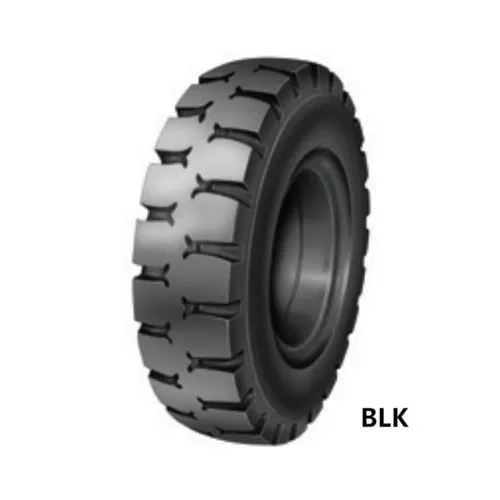
Industrial vehicles tyre is also called industrial tyre. Mainly used as pneumatic tires, semi-solid tires and solid tires for industrial vehicles. Among solid tires, those that are directly vulcanized on the wheel bed are called drilled solid tires; those that are press-fitted on the wheel after vulcanization are called non-knocked solid tires; those with a cylindrical bottom and fastened on the wheel bed are called cylinders. Solid tires; those with a tapered bottom and mounted on open wheels are called sloping-bottom solid tires; those with conductive rubber that can prevent static charge accumulation are called static solid tires; those made of oil-resistant rubber are called oil-resistant solid tires; those made of high-load elastomer materials are called high-load solid tires; those made of foamed elastomer materials are called sponge solid tires.

First 12 Last 1/2


Benefits of Industrial Tyre

Strong carrying capacity: Heavy duty industrial tires can withstand greater pressure and load, so they can cope with the transportation and operational needs of various heavy equipment.


Good abrasion resistance: Heavy duty industrial tires tread and carcass materials usually use high viscosity rubber which can enhance the tire's abrasion resistance, and prolong the service life of the tire.


Good impact resistance: Heavy duty industrial tires have good elasticity and impact resistance can withstand large impact loads to ensure the stability and safety of equipment.


High temperature performance: Heavy duty industrial tires can run at higher temperatures, adapting to a variety of extreme environments to ensure the normal operation of equipment.


Low maintenance costs: Heavy-duty industrial tires have a long service life and low maintenance costs can save the operating costs of enterprises.

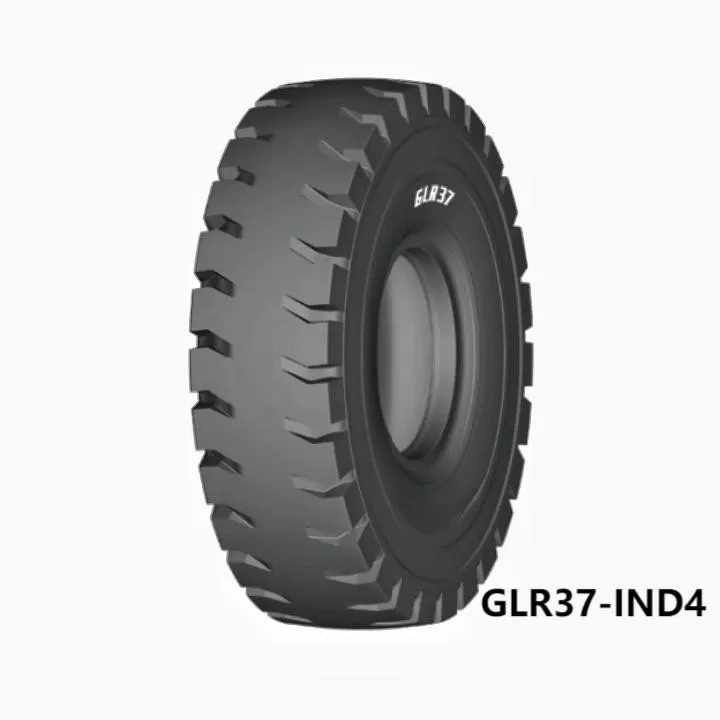
Port Machine And Industrial Machine Tyre


Types of Industrial Tyre
1

Solid Rubber Tyres

Solid rubber tyres, also known as press-on tyres, are made entirely of rubber and do not require air. These tyres are extremely durable and puncture-resistant, making them ideal for environments with sharp objects or debris. They offer excellent load-bearing capacity and are commonly used on forklifts and other material handling equipment.

2

Pneumatic Tyres

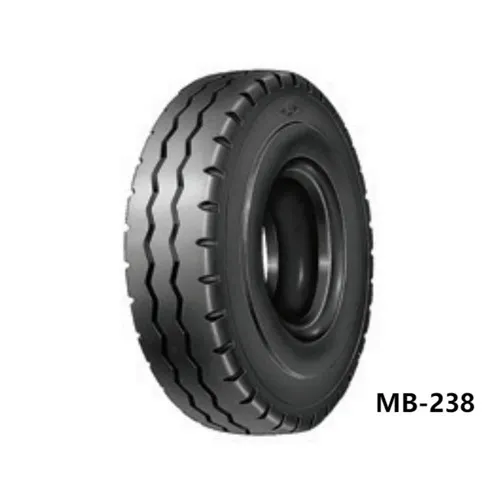
Pneumatic tyres are similar to car tyres, filled with air and constructed with a robust tread pattern. They provide excellent traction and cushioning, making them suitable for outdoor use and rough terrain. Pneumatic tyres are ideal for equipment that operates on uneven surfaces or requires a smoother ride.

3

Foam-Filled Tyres

Foam-filled tyres are pneumatic tyres filled with foam instead of air, combining the benefits of both solid and pneumatic tyres. They provide the cushioning and traction of pneumatic tyres while eliminating the risk of punctures. These tyres are ideal for environments where both durability and comfort are required.

4

Polyurethane Tyres

Polyurethane tyres are made from a tough, synthetic material that provides high durability and resistance to chemicals and abrasion. They are lighter than rubber tyres and offer low rolling resistance, making them energy-efficient. Polyurethane tyres are often used in clean environments and applications requiring precision handling.


Application of Industrial Tyre

Material Handling

Industrial tyres are essential for material handling equipment such as forklifts, pallet jacks, and reach trucks. The tyres must provide stability and support heavy loads while maneuvering in tight spaces. Solid rubber and foam-filled tyres are particularly popular in this sector due to their durability and resistance to punctures.

Construction

In the construction industry, machinery such as loaders, backhoes, and cranes rely on industrial tyres to navigate rough and uneven terrain. Pneumatic and foam-filled tyres are preferred for their traction and cushioning properties, which help absorb shocks and vibrations, ensuring a smoother operation and reducing equipment wear.

Warehousing and Logistics

Warehousing and logistics operations require tyres that can handle heavy loads and frequent use. Solid rubber tyres are commonly used in indoor environments where the risk of punctures is high, while pneumatic and foam-filled tyres are used for outdoor applications that require better traction and ride comfort.

Agriculture

Agricultural equipment such as tractors, harvesters, and sprayers operate in diverse and often challenging conditions. Pneumatic tyres are favored for their ability to provide traction on soft and uneven ground, while foam-filled tyres offer durability and puncture resistance for more rugged tasks.


Components of Industrial Tyre


Inner liner
The innertube of the tyre. This layer is designed to prevent inflation pressure loss of radial tyres, thus enhancing the tyre durability. The innerliner is made out of butyl, a synthetic rubber featuring excellent air retention properties. Butyl innerliners can be extremely sticky and often require special handling during the extrusion process.


Body ply
Structural layers of the tyre, the body plies are made of calendared rubber reinforced with textile or steel cords which functions are to sustain weight load and to absorb shocks. Most tyres have 2 plies or more. Because those parts are composed of rubber and fabrics, resending the rubber scraps into the production line is difficult.


Bead and Apex
The bead is the part that keeps the tyre correctly maintained on the rim. A bead is made of numerous rings, all made out of steel wires that have been shaped and assembled all together. The apex is joined to the beads, for that reason, it has been rolled and shape at a similar size. This is the part that allows the bead to bond the tyre properly.


Sidewalls
Component that ensures the stability of the tyre by absorbing the lateral force generated when the vehicle turns. Because of its nature, this part is composed of a blend of rubbers designed to have a high fatigue resistance and to generate less heat. Carbon black and other additives can be added to the formula to increase those properties but may result into a loss of tack that might impact the tyre building.


Breakers
The breakers are calendared rubber and steel cords. In common cases, 2 layers of breakers are overlapping. This technology prevents the distortion caused by centrifugal force.


Belts
Those layers are not used in every tyre. The belts improve the mechanical resistance of the tyre, that is why they are usually used for heavy vehicles like lorries.


Tread
Part of the tyre that is in contact with the road. Its main function is to transmit traction and breaking force safely and efficiently. The tread is often composed of a thick layer of rubber, for which the composition will change depending on the type of surfaces (snow, wet, dry…) and the purpose of the tyre (grip, durability, energy saving). Like the sidewalls, treads are extruded during the manufacturing process and each formulation might require a different type of handling.


How to Choose Industrial Tyre


Load Capacity and Tire Size

The load capacity and tire size are crucial factors to consider when selecting industrial tires. Overloading your tires can lead to premature wear and potential safety hazards. Always check the manufacturer's recommendations for load capacity and ensure that the tires you choose can support the weight of your equipment and the materials you handle.

Opt for High-Quality Tires from Reputable Manufacturers

Investing in high-quality industrial tires from reputable manufacturers is a wise decision, as they offer enhanced performance, safety, and durability. At BKT, our tires are rigorously tested to ensure optimum performance across a range of conditions, and importantly, to enhance safety and comfort for industrial workers.

Evaluate Your Work Environment

The unique characteristics of your work environment play a significant role in determining the type of tires you should choose for your material handling equipment. It's essential to take the following factors into account while making your decision:Surface Conditions: Assess the surface conditions in which your equipment will be operating. Solid tires are suitable for smooth, flat surfaces, while radial tires are better suited for uneven terrain or outdoor applications due to their enhanced traction and stability.

Understand the Types of Tires for Material Handling Equipment

When considering the right tires for your vehicle, a good place to start is looking at the different types of tires available for material handling equipment. There are three main types of tires to be aware of, each with a unique set of features and benefits that qualify them for different applications. Understanding these types will help you make an informed decision.


Process of Industrial Tyre


Blend
Up to 30 different kinds of rubber, fillers and other ingredients are used in your tyre's rubber. The ingredients are mixed in giant blenders to create a black, gummy compound that will be sent on for milling.


Mill
The cooled rubber is cut into strips that will form the basic structure of the tyre itself. At the milling stage, other elements of the tyre are prepared, some of which are then coated in another type of rubber.


Build
It's now time to make the tyre- from the inside out. The textile elements, steel belts, beads, ply, tread, and other components are assembled on a tyre-building machine. The result is a‘green tyre'- a tyre that is starting to take the shape of the finished product.


Cure
The green tyre is then vulcanised with hot moulds in a curing press, compressing all of the parts of the tyre together and giving the tyre its final shape, including its tread pattern and manufacturer's SIDEWALL MARKINGS.


Inspect
Trained inspectors using special machinery will now carefully check each tyre meets strict manufacturing standards before it can be shipped for sale. In addition to that, a selection of tyres is pulled from the line for x-raying. Our quality control engineers also randomly select tyres off the line and cut them open to ensure they meet Dunlop standards.


How to Maintain Industrial Tyre
Underground Mine Machine Tyre
Port Machine And Industrial Machine Tyre
Green Storage Machine Radial Tyre

Tire alignment
Misalignments can shorten the life span of tires and trucks. Irregular tire wear is a key indicator that tires are not properly aligned. Commercial vehicles should go in for a wheel alignment every 80,000 to 100,000 miles, which is also roughly the same frequency for replacing steer tires.


Tire tread
Checking tire tread should be part of your commercial truck maintenance routine. Tires that have uneven wear and improper tread depth can shorten the life span of your tires, lead to avoidable issues on the road, and put drivers' safety at risk. Retreading tires is a proactive way to prevent issues associated with low tread and tire treads should be routinely checked during pre and post-trip inspections.


Weather prep and air pressure
Cold temperatures can gradually decrease tire pressure, which impacts your fuel economy, tread life and overall safety on the road. When using a tire gauge in below-freezing temperatures, ice can form on the valve core, producing slow pressure leaks; a valve cap can prevent this from happening.Regardless of the temperature, underinflation and overinflation can cause unnecessary stress on your vehicle's frame and other components, so it's important to have the correct tire pressure for the axle load. A weekly tire pressure check is a realistic routine for most fleets.


Tire inspection
A tire inspection can go a long way when it comes to extending the life of your tires and vehicles, and should be done before every trip. Checking the road readiness is a simple way to prevent hazardous situations on the job. Learn more about quick tire assessments and other proactive tire maintenance tips you can perform to save money here.Need help identifying the right service plan for your semi truck? Contact your local GCR Tires store today.


Our Factory


Tianzhong company was founded in 2013, located in Jining City, Shandong, the birthplace of Chinese civilization and Confucian culture.Our company covers an area of 15,000 square meters, the existing professional staff of 100 people, The company's annual output value is more than 300 million yuan, and its products are exported to Europe, America, the Middle East and more than 30 countries.Our brand is "TIANZHONG"We supply full range of tyres, industrial tyres to agricultural vacuum radial tyres, agricultural bias tyres, forestry tyres, industrial tires to OTR tyres. We also have matching agricultural wheels, and we have integrated the processing and sales of used tractor(John Deere).

productcate-1-1

productcate-750-532
productcate-750-532
productcate-750-532
productcate-750-532
productcate-750-532


FAQ
 

Q: How long do commercial tyres last?

A: Tire life is usually between 40,000-70,000 km. The average life of a semi-truck tire is around 100,000 miles. However, this number can vary depending on a few different factors. For example, the type of terrain that you are driving on can have an impact on how long your tires last.

Q: What is not proper tire maintenance?

A: Final answer: Neglecting the inflation pressure of tires is not considered proper maintenance as it can lead to issues like blowouts, decreased fuel efficiency, and irregular tire wear. Other important tire maintenance practices include regular checks and rotations, and balancing.

Q: How do I keep my tires from aging?

A: UV exposure and oxygen are major degradation factors. Try to avoid exposing your tires to direct sunlight, or keeping them outdoors in any conditions (dry or wet) for extended periods of time. If you're storing tires, keep them in the garage away from windows and direct sunlight, or indoors if at all possible.

Q: What is the difference between industrial and ag tires?

A: Industrial tires are built to withstand long wear and provide superior protection against punctures. With a wider tread than agricultural tires and deeper lugs than turf tires, this option is perfect for rough terrain or applications where punctures are more likely to occur.

Q: Does tyre still exist?

A: What country is Tyre in today? Tyre is located in the Middle Eastern country of Lebanon. It is in the southwestern part of the country on the Mediterranean coast. It is one of the world's oldest inhabited cities and is Lebanon's fourth most populous city.

Q: What is a commercial tyre?

A: C-Type tyres handle heavier loads than LT at equivalent tyre size but at a slower speed. LT tyres usually have a load range rating of C, D or E which means they generally have a load capacity between 1/2 -1-ton. A commercial van is registered to carry 1-ton, which a passenger tyre is not capable of doing.

Q: Are G or H rated tires better?

A: “Based on the size, most G-rated tires can hold approximately 6,000 pounds, while an H-rated in the same size can hold roughly 6,500 pounds at the same pressure per tire,” said Rob Williams, president of Hankook Tire America Corp.

Q: What is the L in tractor tires?

A: Implement tire: 11L-15 8-ply. The 11 is the width of the tire in inches, the L indicates the tire has a low sidewall height, the dash indicates bias construction, 15 is the rim diameter in inches, and 8-ply states the rated load is 2,540 pounds.

Q: What does LT stand for on a tyre?

A: Lt tires explained.LT-metric (Light Truck) tires are specifically engineered to work with trucks, full size SUVs and Vans. Including also 1/2 ton, 3/4 ton and 1 ton load capacity. An LT tire is basically a reinforced tire with extra steel belt, thicker, stiffer sidewalls and a deeper tread.

Q: What is the highest tire grade?

A: AA
TRACTION – AA, A, B and C: The traction grades from highest to lowest are AA, A, B and C and they represent the tire's ability to stop on wet pavement as measured under controlled conditions on specified government test surfaces of asphalt and concrete. A tire marked C may have poor traction performance.

Q: How do you read industrial tire sizes?

A: For example, a 23×9-10 has a dimeter of 23 inches, a section width of 9 inches, and a wheel diameter of 10 inches. Lastly, the third type of naming convention for solid industrial tires is used for low-profile tires in metric units and is similar to that used for passenger car tires.

Q: How do I know what tyres to get?

A: Identifying your tyre size is quick and easy. You can find this information on the sidewall of your tyre, as shown in the image. This information lists the size and specification of your tyre, as well as ensuring it complies with European safety standards.

Q: Are R4 tires better than R1 tires?

A: An R4 tire is called an industrial tire. It is a wide and durable tire, useful in a wide variety of purposes and conditions, and can be used on both hard and soft surfaces. In terms of tread depth, they fall in between R1 and R3 patterns, more aggressive than R3 but less aggressive than an R1.

Q: Which tire type is best?

A: AP tires are good if you drive on roads the most. All-terrain tires are suitable if you drive 50/50 on- and off-road. Mud-terrain tires will work well on any terrain if you use your vehicle mostly off-road. Any type + winter tires are best if you have to drive on snow and ice.

Q: Why do factory tires wear out so fast?

A: One of the major reasons that tires on new cars wear out so fast is how they are produced. Compared with tires that are purchased from specialty tire stores, tires on new cars that come from the factory are fitted with softer rubber. The tires have a slightly better performance by utilizing a softer compound.

Q: What does 88h mean on a tire?

A: R stands for “Radial” and the last two figures 15 indicate the wheel diameter in inches. The size ends with the load index 88, which is the maximum weight that each wheel can support, and the speed rating H, which is the maximum speed at which the tyre is approved for use.

Q: What does XL mean on a tire?

A: Extra load
XL (or Reinforced) tyres are 'extra load' tyres – they indicate that a tyre is reinforced to be able to withstand a higher load than other tyres of the same size. This is done through a number of ways, but most usually by adding strengthening material to either the tyre's bead or face.

Q: What does zr mean on a tire?

A: The letters ZR on the sidewall relate to a tyre's speed rating, which in this case is 150mph. That means it should not be driven at speeds in excess of 150mph (240kmph) - of course, where such speeds are even legal! Before 1990, ZR was used for high-performance tyres.

Q: What are the requirements for Tyres?

A: Tyres need to be weather-resistant and in a position to withstand the strains and stresses encountered when driving. They are required in addition to adapt to a certain extent to any changes in the weather conditions. The chemical industry has made crucial advances here.

Q: What are industrial Tyres made of?

A: The two main synthetic rubber polymers used in tire manufacturing are butadiene rubber and styrene butadiene rubber. These rubber polymers are used in combination with natural rubber.They have a smooth tread pattern that offers good traction and they're resistant to punctures and cuts. Industrial tractor tires are best used in construction and industrial applications.Commercial truck tires generally last for three to six years, but no two commercial enterprises have exactly the same requirements, and that means that you should always keep a close watch on your tires as you drive through Madison and Waukesha.

We're well-known as one of the leading industrial tyre manufacturers and suppliers in China. Please rest assured to wholesale discount industrial tyre for sale here from our factory. For price consultation, contact us.

irrigation machine tyre, road roller tyre, agricultural construction machinery tyre

(0/10)

clearall