Quality Assurance
Approved by 3C and a perfect quality control system has been estabished.Our tyres exported to Southeast Asia, the Middle East, Africa and other countries and more than 20 domestic provinces and regions. Tianzhong Tyre is committed to be the first choice of customers in the world who need high safety and high value tyres.
On-time Delivery
Once you place your order, we will immediately incorporate your order into our tight production schedule to ensure on-time delivery.Once your order is shipped, we will immediately send you a shipping notification and full shipping tracking information until you confirm receipt of the goods successfully.
Efficient After-sales Service
We respect your feedback after receiving the goods.We provide 18 months warranty service after the goods arrive.We deal with your complaints within 48 hours.
Professional Team
We value every customer's enquiry and we will ensure that we provide a competitive quote quickly.aWe are a professional team with all technical support from our technical department
What is Agricultural Implement Tyre
Agricultural implement tyre have played a crucial role in modern agriculture, providing essential traction and load carrying capabilities for farming equipment. Over the years, the development of agricultural implement has seen significant technological advancements, resulting in improved efficiency, productivity, and safety in agricultural operations.the origin of agricultural implement can be traced back to the early 1900s when solid rubber tires were used on farming equipment. These tires provided excellent load carrying capacity but had limited traction on wet and muddy terrain. In the 1930s, the invention of pneumatic tires revolutionized the agricultural industry, providing increased traction and reduced soil compaction. However, these tires were still prone to punctures and were not suitable for heavy loads.
Enhanced Traction
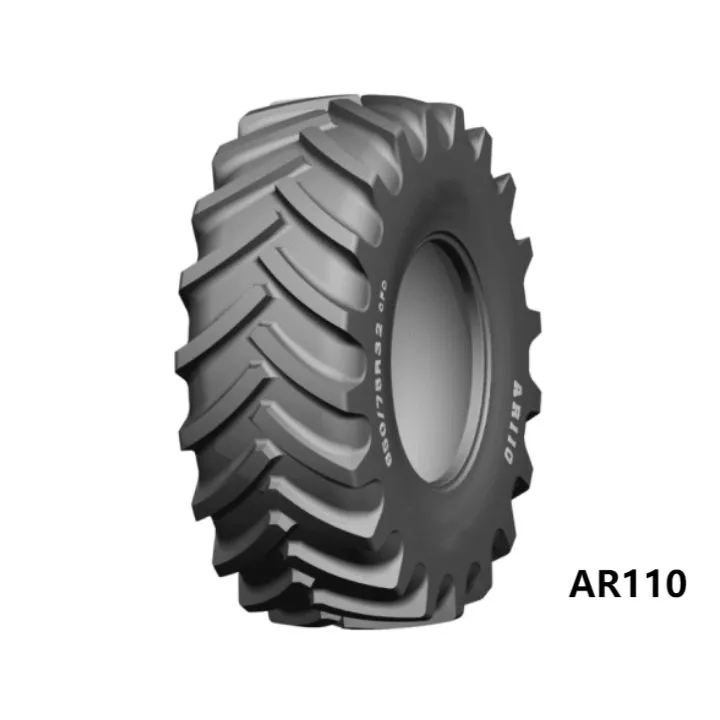
One of the primary advantages of Agricultural Implement Tyre is their ability to provide superior traction. Farm tires are designed with deep treads and robust patterns that allow machinery to grip the soil effectively. This enhanced traction is crucial for tasks such as plowing, planting, and harvesting, as it ensures that the equipment can move smoothly and efficiently across various terrains.
Increased Load-Bearing Capacity
Farm tires are engineered to support heavy loads, making them ideal for carrying large quantities of produce, equipment, and supplies. The robust construction of these tyres ensures that they can withstand the weight of agricultural machinery and the additional load of harvested crops, thereby enhancing operational efficiency and reducing downtime.
Improved Stability
High flotation tyres and implement tyres are designed to distribute the weight of the machinery evenly across a larger surface area. This even distribution reduces soil compaction, which is vital for maintaining soil health and ensuring optimal crop growth. Additionally, the improved stability provided by these tires minimizes the risk of machinery tipping over, enhancing safety during operation.
Durability and Longevity
Farm tires are subjected to harsh conditions, including rough terrains, sharp objects, and varying weather conditions. Agricultural Implement Tyre are built to be highly durable and resistant to wear and tear. The use of high-quality materials and advanced manufacturing processes ensures that these tires have a longer lifespan, reducing the need for frequent replacements and lowering maintenance costs.
Versatility
Offers a wide range of farm tires to cater to different agricultural applications. This versatility allows farmers to choose the right type of tire for their specific needs, whether it's for heavy-duty lifting, transporting materials, or maneuvering in tight spaces. The ability to select the appropriate tire for each task enhances overall productivity and efficiency on the farm.
Fuel Efficiency
The design of farm tires, particularly high flotation tyres, contributes to improved fuel efficiency. These tires reduce rolling resistance, which means that less energy is required to move the machinery. As a result, farmers can save on fuel costs and reduce their environmental footprint, making their operations more sustainable.


Agricultural Guide Tyre
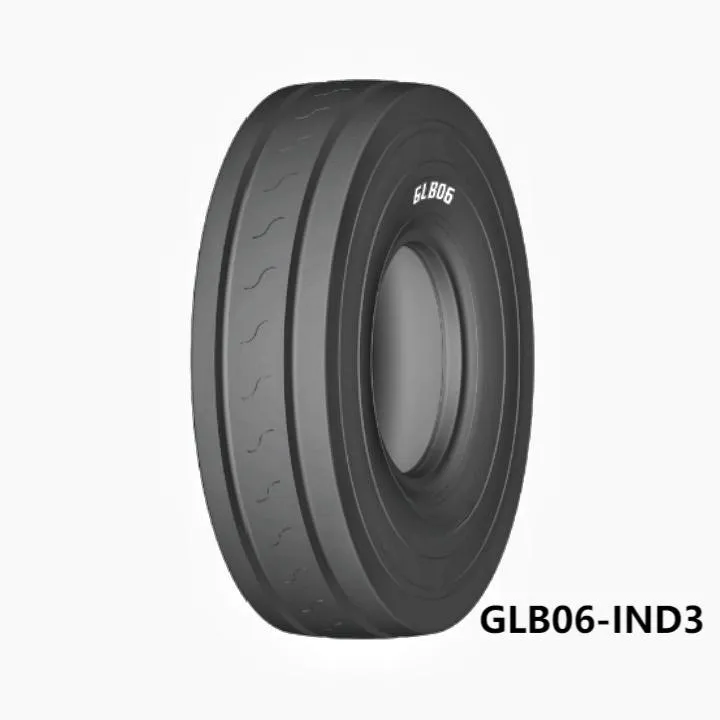
Agricultural guide tyres are special tyres designed for agricultural machinery vehicles, and they are commonly used in the steering systems of tractors, harvesters and other agricultural machinery vehicles. These tyres are responsible for providing stable support and helping the machinery and equipment move smoothly on the ground. So agricultural guide tyres have the following characteristics:The tread pattern is grooved, the depth of the tread pattern is deepened, the grip performance is enhanced, and the ply is thickened to make the tyre more resistant to tying and abrasion, which is suitable for all kinds of harvester rear wheel guide tyres.
Agricultural Tralier Tyre
Agricultural trailer tyres are tyres designed for agricultural machinery to provide traction and support in farmland and other agricultural environments. Agricultural trailer tyres have high abrasion, puncture and durability resistance, as well as the ability to adapt to a variety of terrains, in order to adapt to the needs of agricultural trailers on harsh surfaces as well as for field work and short-distance transport. In addition, agricultural trailer tyres are designed with special tread patterns that provide good grip and drainage even on wet roads. These tyres also need to be able to withstand high loads and have a long service life, as they need to support a lot of weight on tractors or other agricultural machinery. These tyres are mainly suitable for use as tractor tyres, agricultural equipment tyres and so on.
Tillage Machinery Tyre
Tillage machinery tyres are a kind of tyres designed for agricultural machinery, which are mainly used for tillage and short-distance transportation. These tyres are usually used in conjunction with general type tractor drive tyres, which have good guiding performance and anti-skid performance. These tyres play a vital role in agricultural production, not only can bear the weight of machinery and equipment, but also can provide enough grip and stability in different terrains, to ensure that machinery and equipment can work efficiently and safety in the field
Field Transporter Vehicle Tyre
Field transport vehicle tyres are a type of tyre designed for agricultural transport vehicles, and they are commonly used as guide wheels for tractors, combines and agricultural implement vehicles,which have good guiding performance and anti-skid performance. The main characteristics of these tyres are their ability to provide stable support in harsh field conditions and their ability to adapt to different terrain and climatic conditions. It is mainly used for sand and loose soil operations.
Tire Pressure
The maximum tire pressure will depend on the size of the tire. However, the tire does not need to perform at this air pressure level per se.Some tractor tires, especially R-1 and R-1 tires, can be manufactured with special agricultural technologies: IF and VF. If this is the case with your tires, they can still securely perform at lower air pressure levels.However, the important thing is that the maximum tire pressure measured should not be higher than the recommended by the tire brand. This can ruin the tire's fuel consciousness and performing capabilities.
Load Ratings
Tires use their internal structure to ensure their load durability. However, how much weight and load pressure the steel belts and plies can actually carry, will be highlighted on the tire's sidewall. This is the load rating of the tire.The load rating is the number which represents the highest load pressure and weight the tire can safely handle. Exceeding this load is not a good idea, as it can lead to damage or a complete blowout.It is crucial to get a tire set with a high enough load rating, to ensure your vehicle's safe performance.
Tubed vs. Tubeless
Nowadays, more and more tire models are designed to be tubeless. Yet, this does not mean that tubed tires are completely left behind.Both tubed and tubeless tires are still sold on the agricultural tire market. Basically, at this stage it comes down to preferences. Tubeless tires offer better puncture resistance, but they are harder to install. On the other hand, tubed tires will instantly go flat after being damaged, but they are easier to repair.
Selection of raw materials
The first step in the production of agricultural tyres is the selection of raw materials. The quality of the raw materials used directly impacts the durability and performance of the final product. Most agricultural tyres are made from natural rubber, synthetic rubber, carbon black, and various chemical compounds.
Mixing and compounding
Once the raw materials have been selected, the next step is to prepare the rubber compound. This involves mixing the raw materials together in precise proportions to create a homogenous mixture. The mixing process is crucial as it determines the physical properties of the rubber, such as elasticity, durability, and resistance to wear and tear.
Fabrication
After the rubber compound has been mixed, it is sent to a machine called a fabric calendar. This machine applies heat and pressure to the rubber compound, transforming it into flat sheets of rubber, called plies. These plies will act as the base for the tyre's structure and provide strength and stability.
Forming the tyre
The flat sheets of rubber plies are then cut and stacked to form the basic shape of the tyre. This is done by a process called building. The number of plies used, their angles, and the order in which they are placed depend on the type of tyre being produced. A high-strength steel belt is also added at this stage to provide additional support and puncture resistance.
Vulkazaition
Once the tyre has been formed, it is moved to a vulcanization chamber. Here, the tyre is cured at high heat and pressure, which causes the rubber to bond together and form a solid structure. This process also gives the tyre its final shape and imparts strength and durability.
Finishing touches
After vulcanization, the tyre goes through a series of additional processes to give it the final finishing touches. These include trimming excess rubber, adding treads, and curing the rubber treads onto the tyre. The treads give the tyre its grip and control on various terrains and often involve complex design and engineering.
Quality control
Throughout the production process, quality control is a key factor. Each tyre undergoes rigorous inspection to ensure it meets industry standards for dimensions, strength, and durability. Any defects or imperfections are addressed at this stage, and only the tyres that pass the quality control are approved for distribution.
Final packaging and distribution
Once the tyres have been successfully produced and approved, they are ready for packaging and distribution. They are wrapped in protective rubber or cardboard wrapping to prevent any damage during transportation. From there, they are distributed to dealers, who sell them to farmers and other agricultural workers.
IF and VF Tires
Michelin's agricultural line came out with IF and VF tires in the early 2000s, revolutionizing tire capabilities.Increased flexion tires – or IF tires – were the first to appear on the market. These new tires offered up to 20% more sidewall flexion than standard radial farming tires previously available. Because of their greater flexion and larger footprint, IF tires allowed for better weight distribution, which led to reduced soil compaction.
Improved R-1 and R-1W Tire Treads
Later innovations would build off the improvements that IF and VF tires made for the industry. IF and VF tread technology proved to be the next significant technological advancement for radial tires.Traditional “straight rib” tire treads led to similar issues concerning slippage and poor soil compaction. Advancements in tire treads created less invasive tire grips, resulting in improved performance on softer field surfaces.
New and Differing Tire Casings
In much of early farming history, tractor and plow tires were made out of wood. Then rubber supplanted them as the standard. Nowadays, there are even more options for tires and their casings. With new and innovative casing technologies, agriculture tires provide more utility than ever before.There are three main advancements in tire casings and their materials: polyester, nylon and steel. Here is a quick breakdown of these tire casings and some of the product benefits they provide.
Stubble-Resistant Compounds
Stubble resistance is a popular topic of conversation in the modern farming world as GMOs and seed genetics produce higher-quality stalks and better standability. These stronger stalks are great for harvesting, but they sometimes leave problematic holes behind that are not ideal for tires.Various tire developers have been working towards creating harder, more rigid tires made of compound materials. Under testing, these tires prove to be more resilient to punctures and can minimize damage over the long run for agriculture tires that see a lot of action. More robust tires may be a significant step up from the commonplace stalk stompers seen today.
Smart Tires
Just as phones and other home devices are getting smarter, so are tires. The addition of smart technologies has become part of the evolution of agricultural tires. With new-age sensory platforms, agriculture equipment and the tires they rely on may be able to self-rectify issues in the near future.Utilizing sensors within the wheels themselves, farming tires will be able to advance the standard for safe driving. Leading use cases for these sensors include monitoring tire pressures and automatically correcting on-the-go, as well as monitoring real-time conditions and adjusting flexion and pressure accordingly to provide optimal wheel surface area to minimize soil compression.
Education About Tires
Farming has evolved along with the rest of the world over centuries. The techniques that once worked for agriculture may not apply now, but there are still plenty of advancements in agriculture that are still used and expanded upon today. One of the most important reasons agricultural tire technology has improved over the years is the increased knowledge and education about tires.
How to Maintain Agricultural Implement Tyre
Calibrate your tyres according to the manufacturer's instructions
It is essential that you calibrate the tyre according to the manufacturer's recommendations. This is important so that the agricultural vehicles put less pressure on the soil in order not to compact it.If the pressure is lower than indicated, the tyre will be deformed, out of its footprint. The treads will wear out quickly and unevenly, losing part of their traction capacity. In addition, it may cause the so-called rim-slip (when the tyre runs on the rim).The result is that the rubber becomes more stretched, increasing its temperature and damaging its compositional elements.
Monitor the tyres' internal pressure
After the initial calibration, it is necessary to control the pressure weekly. Using a pressure gauge, this procedure becomes easy for the farmer. If possible, always check before starting field operations. This will contribute to the machine's best performance.
Calculate the tyre slip index
Tyre slip is important for reducing axle stress, making operation easier on components and increasing durability of materials. The problem with excess slippage, however, is that it takes away the traction force of the machine, contributes to increased fuel consumption, reduces performance, and wears out tyres and other mechanical components. It can be related to both uneven weight distribution and poor tyre calibration.
Evaluate if it is time for a change
Regardless of the frequency and type of preventive maintenance carried out, you will eventually need to change the tyre because it has a limited lifespan. Factors such as the type of crop, the size of the machine and the region also affect the durability of these parts.
Take care of the storage area
Caring about storage is also part of farm tyre maintenance. It is not good if they are stored already installed. But if this is necessary due to some specific needs of the property, it is important to follow some recommendations:do not leave the tyre in contact with water, grease or oils;do not leave it near electric motors (they release ozone, a gas which is harmful to the tyre material).
Rely on experts for mounting, dismounting and repairing services
The mechanical procedure for changing agricultural tyres is similar to that of passenger vehicles. In the manual form, however, large equipment is needed for the operation. It is a dangerous procedure, so only skilled workers should perform the service.This will ensure that the tyres are installed in the correct way, as well as ensuring the protection of all involved, since it is necessary to use PPE for the operation, such as safety glasses.
Tianzhong company was founded in 2013, located in Jining City, Shandong, the birthplace of Chinese civilization and Confucian culture.Our company covers an area of 15,000 square meters, the existing professional staff of 100 people, The company's annual output value is more than 300 million yuan, and its products are exported to Europe, America, the Middle East and more than 30 countries.Our brand is "TIANZHONG"We supply full range of tyres, industrial tyres to agricultural vacuum radial tyres, agricultural bias tyres, forestry tyres, industrial tires to OTR tyres. We also have matching agricultural wheels, and we have integrated the processing and sales of used tractor(John Deere).


We're well-known as one of the leading agricultural implement tyre manufacturers and suppliers in China. Please rest assured to wholesale discount agricultural implement tyre for sale here from our factory. For price consultation, contact us.
agricultural tralier tyre, agricultural guide tyre, field transporter vehicle tyre