


What is the Tread Pattern of a Port Machine Tyre For?
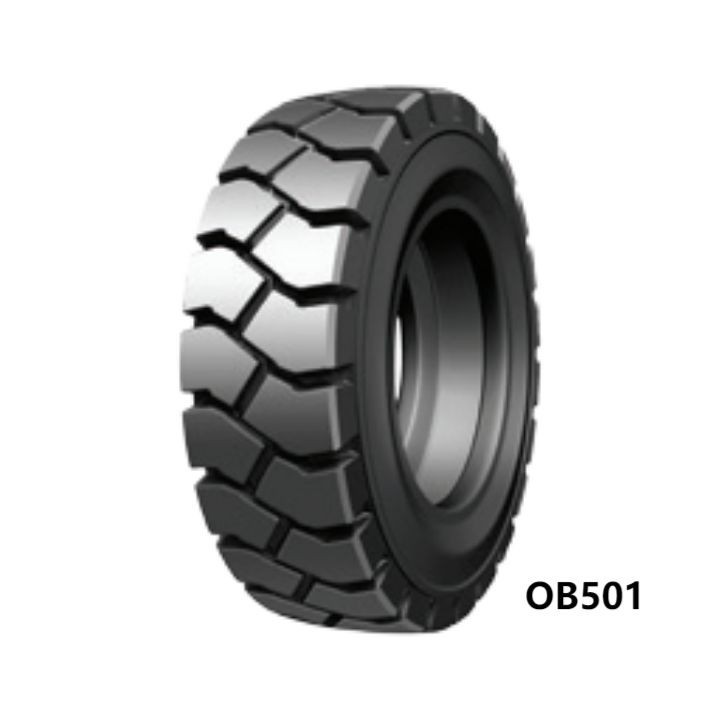
As a supplier of port machine tyres, I've witnessed firsthand the crucial role that tread patterns play in the performance and safety of these specialized tyres. Port machines, such as container handlers, reach stackers, and forklifts, operate in demanding environments where traction, durability, and stability are of utmost importance. In this blog post, I'll delve into the significance of tread patterns in port machine tyres and explain how they contribute to the efficient and reliable operation of these essential pieces of equipment.
Traction and Grip
One of the primary functions of a tyre's tread pattern is to provide traction and grip on various surfaces. In a port environment, tyres must navigate through a range of conditions, including wet and slippery docks, uneven terrain, and heavy loads. The tread pattern helps to channel water away from the tyre's contact patch, reducing the risk of hydroplaning and maintaining traction on wet surfaces. Additionally, the design of the tread blocks and grooves provides bite and grip on dry surfaces, allowing the port machine to accelerate, brake, and turn safely and efficiently.
For example, a deep and aggressive tread pattern with large, well-spaced blocks is ideal for off-road or rough terrain applications, where maximum traction is required. On the other hand, a shallower and more closely spaced tread pattern may be more suitable for smooth, paved surfaces, where reduced rolling resistance and improved fuel efficiency are desired. At our company, we offer a wide range of tread patterns to meet the specific needs of different port machine applications, including the Solid Skid Steer Tyre, which features a durable and high-traction tread design for skid steer loaders and other similar equipment.
Durability and Wear Resistance
Port machine tyres are subjected to heavy loads, high speeds, and frequent stops and starts, which can cause significant wear and tear on the tread. A well-designed tread pattern can help to distribute the load evenly across the tyre's surface, reducing stress and wear on individual tread blocks. Additionally, the use of high-quality rubber compounds and advanced manufacturing techniques can enhance the tyre's durability and resistance to abrasion, cuts, and punctures.
For instance, our Light Load Vehicle Tyre is specifically designed for light-duty port vehicles, such as pallet jacks and small forklifts. It features a tough and resilient tread compound that provides excellent wear resistance and long service life, even in demanding operating conditions. Similarly, our Solid Forklift Tyre is engineered to withstand the heavy loads and frequent impacts associated with forklift operations, with a deep and durable tread pattern that ensures reliable performance and extended tyre life.

Stability and Handling
In addition to traction and durability, the tread pattern of a port machine tyre also plays a crucial role in providing stability and handling. A properly designed tread pattern can help to improve the tyre's steering response, cornering ability, and overall stability, especially when carrying heavy loads or operating at high speeds. This is particularly important in a port environment, where precision and control are essential for safe and efficient operation.
For example, a tread pattern with a wide and stable footprint can help to distribute the load evenly across the tyre's contact patch, reducing the risk of uneven wear and improving the tyre's stability. Additionally, the use of directional tread patterns can enhance the tyre's handling characteristics, providing better straight-line stability and improved cornering performance. At our company, we work closely with our customers to understand their specific needs and recommend the most suitable tread pattern for their port machine applications, ensuring optimal performance and safety.
Noise Reduction and Comfort
Another important consideration when choosing a port machine tyre is noise reduction and comfort. The constant movement and operation of port machines can generate a significant amount of noise, which can be a nuisance to operators and nearby workers. A well-designed tread pattern can help to reduce noise levels by minimizing the vibration and resonance of the tyre as it rolls on the surface.
For instance, some of our tyres feature a special noise-reducing tread pattern that is designed to absorb and dampen vibrations, resulting in a quieter and more comfortable ride. This not only improves the working environment for operators but also helps to reduce noise pollution in the port area.
Conclusion
In conclusion, the tread pattern of a port machine tyre is a critical factor that affects its performance, durability, and safety. By understanding the specific needs of different port machine applications and choosing the right tread pattern, operators can ensure optimal performance and efficiency, while reducing the risk of downtime and costly repairs. At our company, we are committed to providing high-quality port machine tyres that are designed to meet the most demanding requirements of the industry. Our extensive range of tread patterns, combined with our expertise and experience, allows us to offer customized solutions that are tailored to the specific needs of each customer.
If you're in the market for port machine tyres or have any questions about our products, we encourage you to contact us to discuss your requirements. Our team of experts will be happy to provide you with more information and help you choose the right tyres for your port machines. Let's work together to ensure the smooth and efficient operation of your port equipment.
References
- Tire and Rim Association, Inc. (T&RA) Standards Manual
- European Tyre and Rim Technical Organisation (ETRTO) Standards Manual
- Rubber Manufacturers Association (RMA) Tire Performance Guidelines