


Hey there! As a solid tyre supplier, I've been getting a lot of questions lately about what the traction of solid tyres is like. So, I thought I'd take a deep dive into this topic and share everything I know.
First off, let's understand what solid tyres are. Unlike pneumatic tyres that are filled with air, solid tyres are made of a single, solid piece of rubber. They're known for their durability, resistance to punctures, and long lifespan. But how do they perform when it comes to traction?

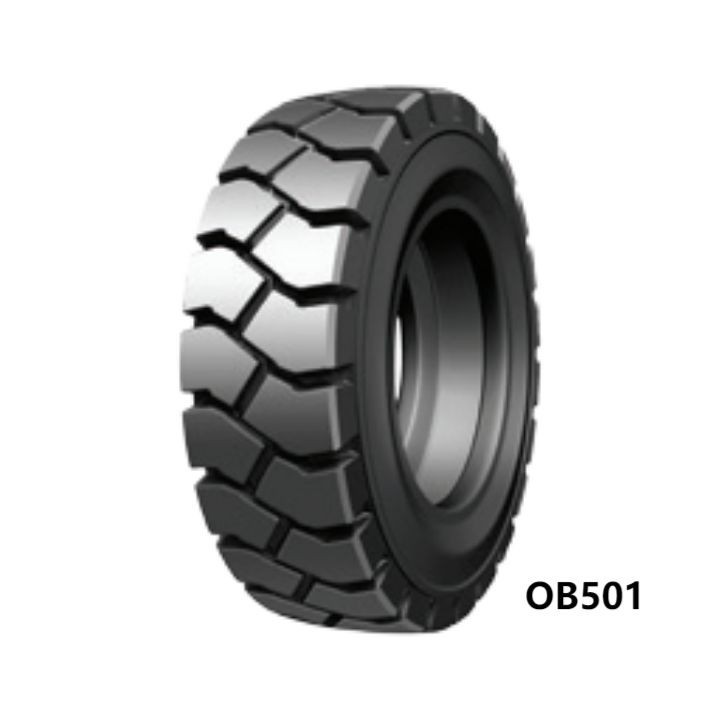
Traction, in simple terms, is the grip that a tyre has on the surface it's rolling on. It's what keeps your vehicle stable, allows you to accelerate, brake, and turn safely. The traction of a tyre depends on several factors, including the tyre's design, the material it's made of, and the surface conditions.
Design Factors Affecting Traction
The pattern on the surface of a solid tyre plays a crucial role in determining its traction. Just like with regular tyres, a well-designed tread pattern can channel water, mud, or debris away from the tyre's contact area with the ground. This ensures that there's always a solid contact between the tyre and the surface, which improves grip.
For example, our Solid Skid Steer Tyre has a unique tread pattern that's specifically designed for skid steer loaders. These loaders often operate in construction sites, warehouses, and other tough environments where there might be loose dirt, gravel, or oil spills. The tread pattern on our solid skid steer tyres helps to disperse these substances and maintain a good grip on the ground. This means that the skid steer loader can move around easily, even in challenging conditions.
Another design factor is the shape and size of the tyre. Solid tyres come in different shapes and sizes to suit various applications. A wider tyre generally provides more surface area in contact with the ground, which can increase traction. However, this also depends on the type of vehicle and the surface it's operating on. For instance, if you're using a light load vehicle on a smooth, indoor surface, a narrower tyre might be more suitable as it reduces rolling resistance and improves fuel efficiency without sacrificing too much traction. Our Light Load Vehicle Tyre is designed with this in mind, offering a good balance between traction and efficiency for light load applications.
Material and Its Impact on Traction
The material that solid tyres are made of is another important factor. High - quality rubber compounds are used to manufacture solid tyres, and these compounds can have different levels of hardness and toughness. A softer rubber compound tends to provide better traction because it can conform to the surface irregularities more easily. However, softer rubber wears out faster.
On the other hand, a harder rubber compound is more durable and can withstand heavy loads and rough surfaces. But it may not offer the same level of grip as a softer rubber. Our Solid Forklift Tyre is made from a special rubber compound that strikes a balance between traction and durability. Forklifts need to be able to pick up and move heavy loads safely, so good traction is essential. At the same time, the tyres need to be able to handle the constant stop - and - go movement and the weight of the goods being carried. Our forklift tyres' rubber compound provides enough grip to keep the forklift stable during operation and also has a long service life.
Surface Conditions and Traction
The traction of solid tyres can vary significantly depending on the surface they're used on. Let's take a look at some common surfaces:
Smooth Surfaces
On smooth surfaces like concrete floors in warehouses or indoor parking lots, solid tyres generally offer good traction. The smooth surface allows for a consistent contact between the tyre and the ground. However, if there are any spills, such as oil or water, the traction can be reduced. In such cases, tyres with a tread pattern that can effectively disperse these substances are essential.
Rough Surfaces
Rough surfaces like gravel roads or construction sites demand more from the tyres. The uneven terrain requires tyres with a strong grip and the ability to adapt to the changes in the surface. Tread patterns with deep grooves and large lugs are more suitable for these conditions. They can bite into the rough surface and provide better traction. Our solid tyres are designed to handle these rough surfaces well, ensuring that your vehicles can operate safely and efficiently.
Wet Surfaces
Wet surfaces are always a challenge for any type of tyre. Water on the surface can create a layer between the tyre and the ground, reducing friction and grip. Solid tyres with proper tread patterns can help to channel water away and maintain traction. However, it's important to note that even the best - designed solid tyres may have reduced traction on very wet surfaces compared to dry ones. Operators should always exercise caution when driving on wet surfaces.
Comparing Solid Tyres to Pneumatic Tyres in Terms of Traction
Pneumatic tyres are filled with air, which allows them to absorb shock and provide a more comfortable ride. In terms of traction, pneumatic tyres can conform to the surface more easily due to the air inside them. They can adapt to small bumps and irregularities, which can improve grip in some situations.
However, solid tyres have their own advantages. They're more resistant to punctures, which means they won't lose air and suddenly lose traction. In environments where there are sharp objects on the ground, such as construction sites or scrapyards, solid tyres are a much safer option. Also, as we've discussed, the right design and material of solid tyres can provide excellent traction, especially in specific applications.
How to Maximize Traction with Solid Tyres
To get the best traction from your solid tyres, there are a few things you can do. First, make sure you choose the right tyre for your application. Consider the type of vehicle, the surface conditions, and the load it will be carrying. Our team of experts can help you select the most suitable solid tyres for your needs.
Second, maintain your tyres properly. Regularly check for wear and tear, and replace the tyres when they're worn out. Worn - out tyres have reduced traction, which can be dangerous. Also, keep the tyres clean to ensure that the tread pattern can work effectively.
If you're interested in learning more about our solid tyres or have any questions about traction, don't hesitate to get in touch with us. We're always here to help you find the best tyre solutions for your business. Whether you're in the construction industry, warehousing, or any other field that requires reliable tyres, we've got you covered. So, let's start a conversation and see how we can meet your tyre needs!
References
- Tire Traction and Grip: A Technical Guide. Industry Publication.
- Understanding Solid Tyres and Their Performance. Trade Magazine Article.