


Hey there! As a supplier of solid tyres, I often get asked whether solid tyres are legal for road use. It's a question that's been on the minds of many vehicle owners, contractors, and operators, so I thought I'd take the time to dive into this topic and clear up any confusion.
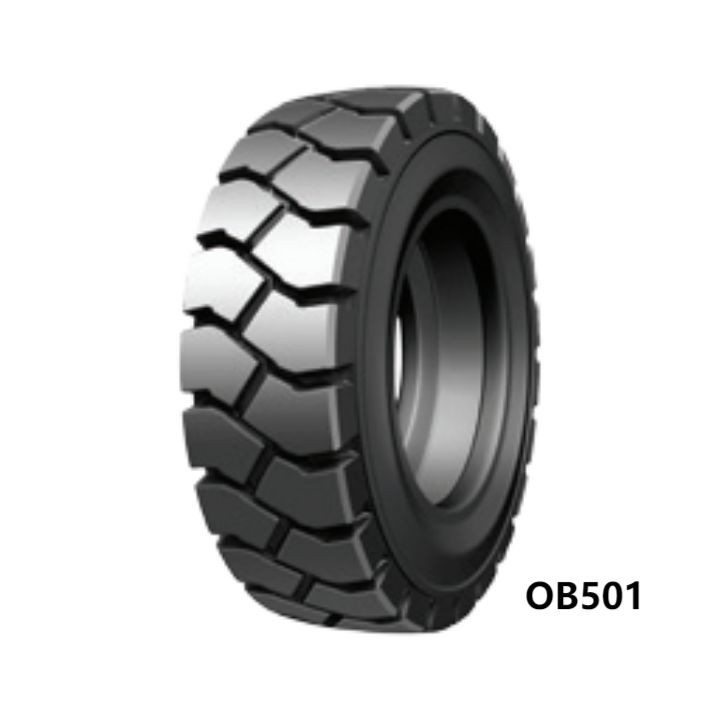

First off, let's understand what solid tyres are. Solid tyres are exactly what they sound like – they're tyres that are made entirely of solid rubber, without any air chambers. They're known for their durability, resistance to punctures, and long lifespan, which makes them a popular choice for industrial vehicles like forklifts, skid steers, and light - load vehicles.
You can check out our range of Solid Skid Steer Tyre, Light Load Vehicle Tyre, and Solid Forklift Tyre on our website.
Now, the legality of using solid tyres on the road varies from country to country and even from state to state in some larger countries. In many places, the use of solid tyres on public roads is restricted or even prohibited. There are a few reasons behind these regulations.
One of the main concerns is safety. Solid tyres don't have the same shock - absorbing capabilities as pneumatic (air - filled) tyres. When you're driving on the road, you encounter all sorts of bumps, potholes, and uneven surfaces. Pneumatic tyres can flex and absorb the impact, providing a smoother and more comfortable ride. Solid tyres, on the other hand, transmit the full force of these impacts directly to the vehicle and its occupants. This can lead to a rougher ride, increased wear and tear on the vehicle's suspension system, and potentially even a higher risk of accidents, especially at higher speeds.
Another issue is traction. Pneumatic tyres can adapt to the road surface, providing better grip in different weather conditions. Solid tyres have a more rigid structure, and their traction can be limited, especially in wet or slippery conditions. This lack of traction can increase the stopping distance of the vehicle, making it more difficult to control in an emergency situation.
Noise is also a factor. Solid tyres tend to generate more noise compared to pneumatic tyres when driving on the road. This can be a nuisance for both the vehicle occupants and the people living or working near the roads.
However, there are some situations where solid tyres can be legally used on the road. For example, in some areas, short - distance, low - speed road travel is allowed for industrial vehicles that are mainly used in off - road environments. If a forklift needs to be moved from one worksite to another nearby, and the journey is on a local road at a very low speed, it might be permitted to use solid tyres. But usually, there are strict rules about the maximum speed, the distance of travel, and the type of vehicle.
In some regions, vehicles equipped with solid tyres may be required to meet certain safety standards. This could include having additional safety features such as special braking systems or reflective markings to improve visibility.
It's crucial for vehicle owners and operators to check the local regulations before using solid tyres on the road. You can contact your local transportation department or regulatory agency to get accurate information about the rules in your area. They can provide you with the specific requirements and any necessary permits.
If you're considering using solid tyres for your industrial vehicles, it's important to weigh the pros and cons. On the one hand, solid tyres offer great benefits in off - road environments. They're virtually indestructible when it comes to punctures, which means less downtime for tyre repairs and replacements. This can save you a significant amount of money in the long run, especially if your vehicles operate in environments where punctures are common, like construction sites or waste management facilities.
On the other hand, if you need to use your vehicle on the road regularly, you might want to think twice. The potential legal issues, safety concerns, and performance limitations of solid tyres on the road could outweigh the advantages.
As a solid tyre supplier, I always recommend that my customers make an informed decision. If you're mainly using your vehicle off - road and only need to make occasional, short - distance road trips, solid tyres could be a great option. But if you're going to be spending a lot of time on the road, you might be better off with pneumatic tyres.
If you're still unsure whether solid tyres are the right choice for your needs, or if you have any questions about the legality of using them on the road, feel free to reach out to us. We have a team of experts who can provide you with more detailed information and help you choose the best tyres for your vehicles.
We're always here to assist you in making the right decision for your business. Whether you're looking for solid tyres for your skid steer, forklift, or light - load vehicle, we have a wide range of products to meet your requirements. If you're interested in purchasing solid tyres or just want to have a chat about your options, don't hesitate to contact us. We're eager to work with you and provide you with high - quality solid tyres at competitive prices.
References
- Various local transportation department regulations
- Industry reports on tyre safety and performance